

EUDR 2026: What Small and Medium-Sized Businesses Need to Do Now
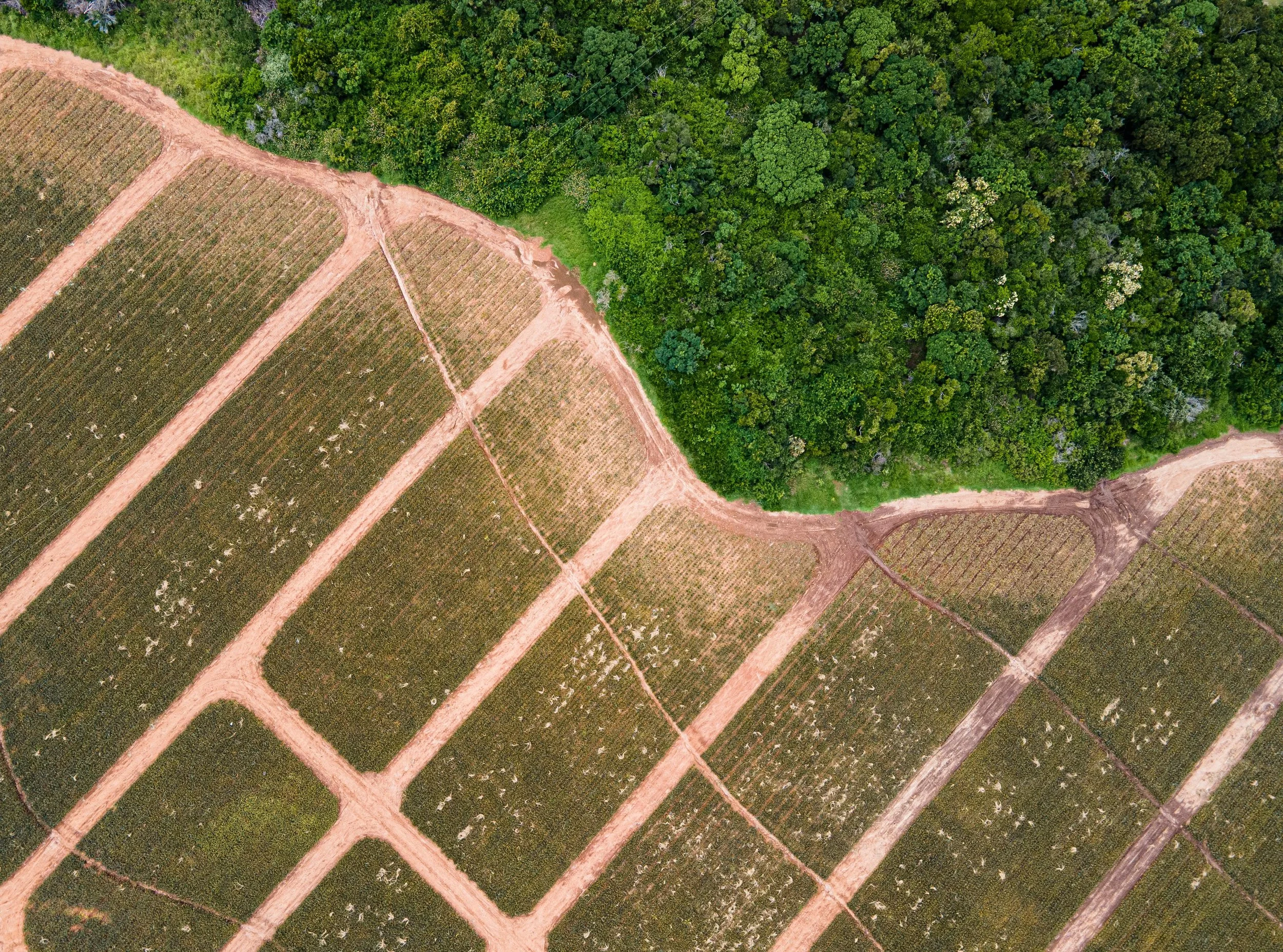
If you import coffee, cocoa, wood, palm oil, soy, rubber, or cattle products into the EU — or sell goods that contain them — there's a date you need to remember: 30 December 2026.
That's when the EU Deforestation Regulation (EUDR) begins to apply for large and medium-sized operators. Six months later, on 30 June 2027, micro and small enterprises follow.
Sounds far away? It isn't. Building the systems the EUDR requires — geolocation data, supplier traceability, due diligence documentation — takes months, not weeks. And unlike many other EU sustainability laws, the EUDR is not size-dependent. If you place the right (or rather, the wrong) commodity on the EU market, the regulation applies — whether you have 10 employees or 10,000.
This guide is a practical walkthrough of what small and medium-sized businesses actually need to do in 2026 to be ready.
💡 New to EU sustainability regulations? For a broader picture of how EUDR fits alongside LkSG, CSDDD and other frameworks, see my Practical Guide to ESG Compliance for SMEs.
What is the EUDR exactly?
The EU Deforestation Regulation is the EU's flagship law against imported deforestation. Its goal is simple: products linked to deforestation should no longer be allowed on the EU market.
It covers seven commodities and the products derived from them:
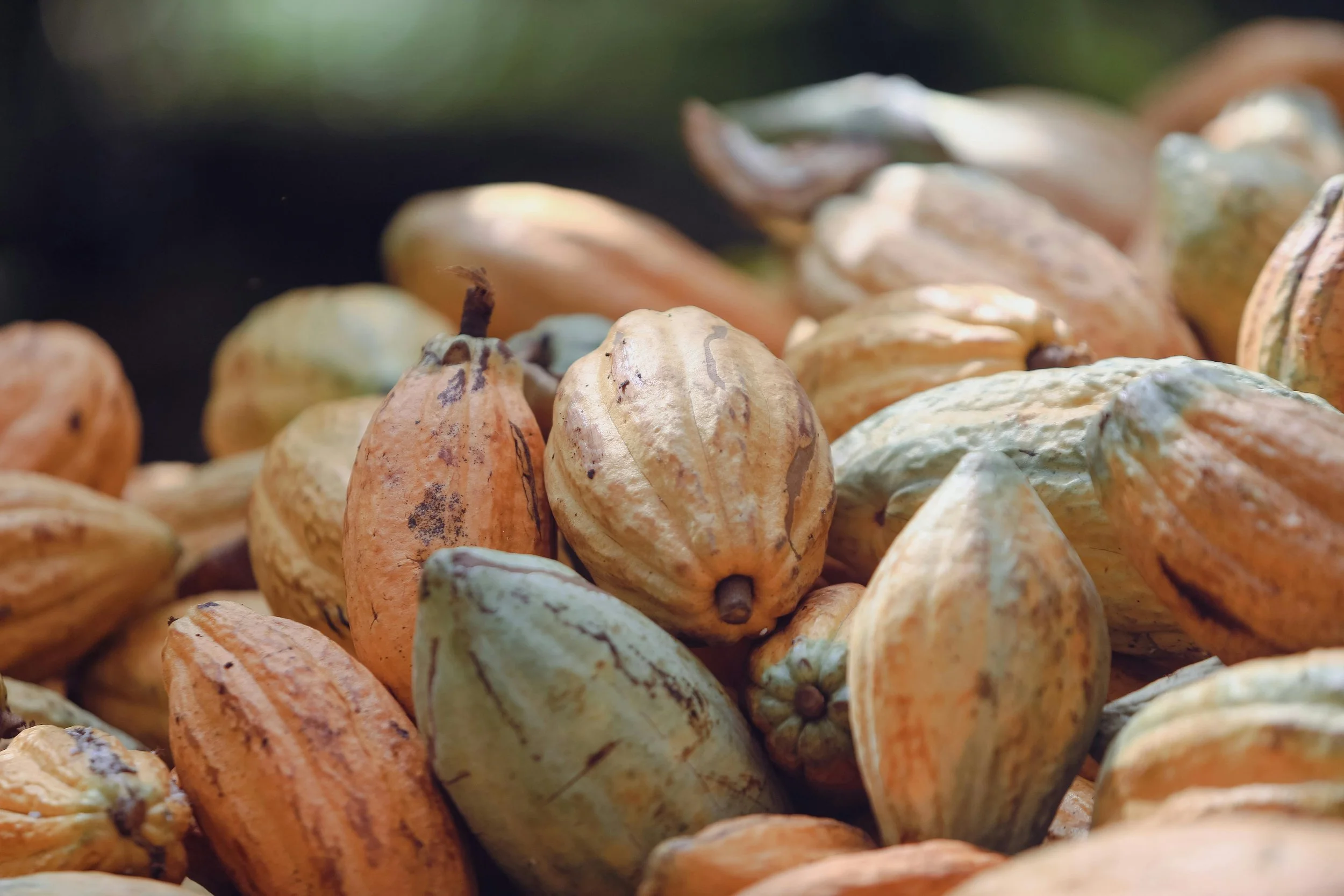
Coffee
Cocoa (and chocolate)
Wood (timber, furniture, paper, charcoal)
Palm oil
Soy
Cattle (beef, leather)
Rubber
If you place any of these on the EU market — or any product containing them — you must be able to prove three things:
The commodity was not produced on land deforested after 31 December 2020.
It was produced legally under the laws of the country of origin.
You have carried out due diligence to verify both.
That's the heart of it. Everything else is implementation detail.
The 2026 timeline you need to know
After two postponements and an intense political debate, the timeline is now locked in:
30 December 2026 — EUDR applies for large and medium-sized operators.
30 June 2027 — EUDR applies for micro and small enterprises.
30 April 2026 — The European Commission must publish a simplification review of the EUDR (further adjustments possible, but the core obligations stay in place).
A few important things to know about these dates:
There is no grace period. The Commission has confirmed enforcement will begin on the deadline, not after.
The size definitions follow standard EU criteria: a small enterprise has fewer than 50 employees and turnover below €10 million. A micro enterprise has fewer than 10 employees and turnover below €2 million. Everything above small (50–250 employees) counts as medium and falls under the December 2026 deadline.
Printed products (books, newspapers) have been removed from EUDR scope in the simplification round.
Who is actually affected — and how
This is where most SMEs get confused. The EUDR distinguishes between operators and traders, and the obligations differ significantly.
You are an operator if:
You are the first to place a relevant product on the EU market — by importing it, producing it in the EU, or exporting it from the EU. Operators carry the full due diligence burden.
You are a trader if:
You buy and sell products that have already been placed on the EU market by someone else. SME traders have substantially lighter obligations — they mainly need to keep records and reference numbers.
Practical examples:
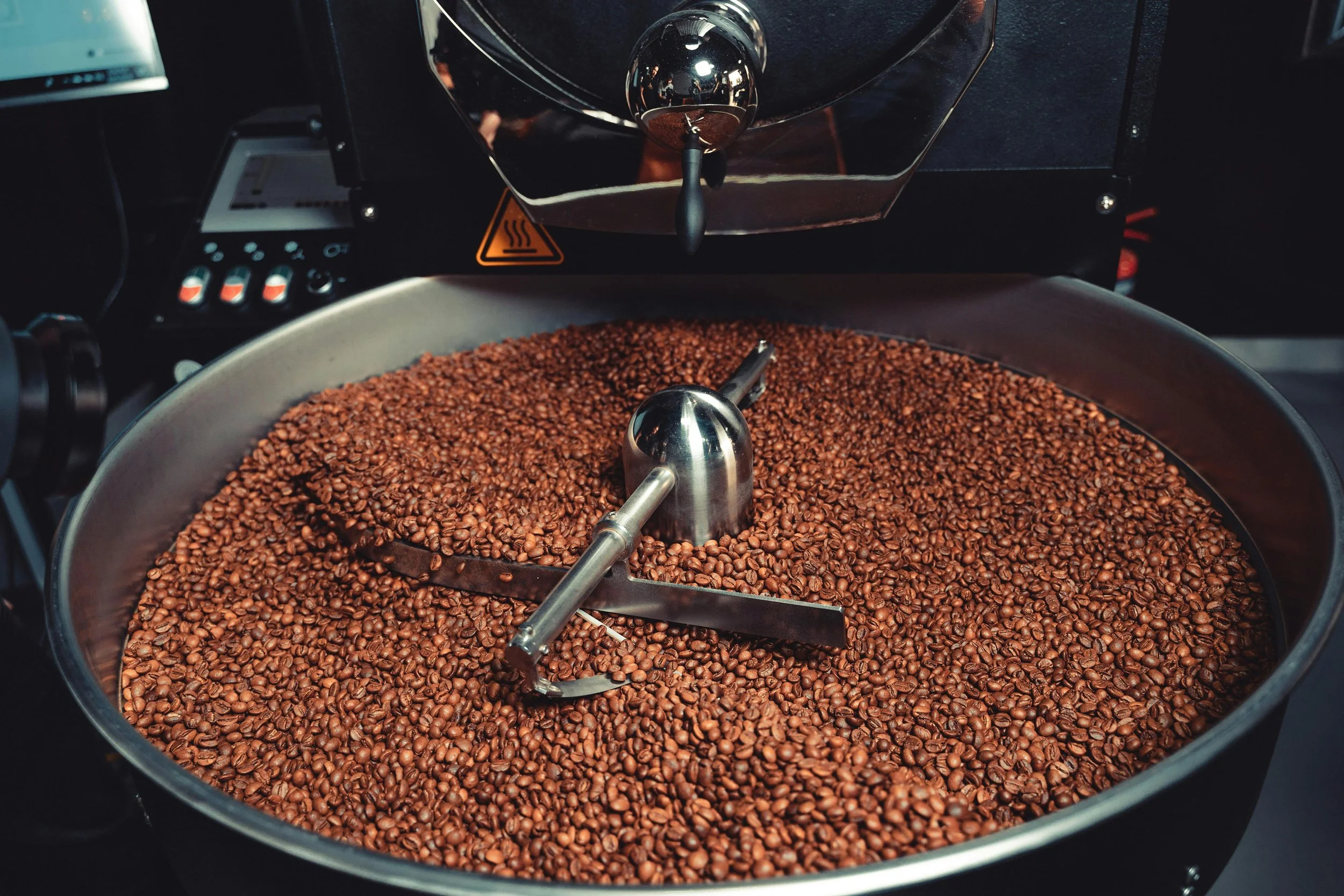
A small coffee roaster importing green beans from Colombia → Operator (you place the beans on the EU market).
A small chocolate maker buying EU-roasted cocoa from a Belgian wholesaler → SME Trader (someone else already placed it).
A furniture importer bringing wooden chairs from Vietnam → Operator.
A retail shop selling EU-produced books with paper from a German mill → Likely SME Trader, and printed products have been removed from scope anyway.
Identifying which category you fall into is the single most important first step. The obligations and effort involved are very different.
What you actually need to do — step by step
Here is what EUDR compliance looks like in practice for an SME operator. If you're a trader, skip to the trader section below.
Step 1 — Map your products against the EUDR
Make a list of every product you import, produce, or export. For each one, ask:
Does it contain any of the seven commodities (directly or as an ingredient)?
Are you the first to place it on the EU market?
Which suppliers does it come from?
This sounds basic, but most SMEs discover surprises here — a varnish containing palm oil derivatives, a textile blend with natural rubber, a packaging material with wood pulp.
Step 2 — Collect geolocation data
For every plot of land where your commodity was produced, you need:
Geolocation coordinates (latitude and longitude) of the production plot.
For plots larger than four hectares: polygon coordinates mapping the boundary.
Production date or time range.
This is the part most SMEs underestimate. If your supplier can't give you this data, you have two choices: pressure them to provide it, or find a new supplier. Both take time.

Step 3 — Verify legality
You need documentation showing the commodity was produced in line with the laws of the country of origin. This usually means:
Land use rights and permits.
Forest-related regulations.
Labour rights (yes, even labour).
Tax, anti-corruption, and trade regulations.
In practice, suppliers often need to provide a bundle of certificates or attestations. Build this list now — chasing it during peak season is painful.
Step 4 — Carry out a risk assessment
For each supply chain, assess the risk of deforestation and illegality. The EU operates a country benchmarking system — countries are classified as low, standard, or high risk — but as of early 2026, all countries are classified as standard risk, which means full due diligence applies everywhere.
Document your assessment. Even if the risk turns out to be negligible, you need to show the analysis.
Step 5 — Mitigate risks where needed
If your assessment finds anything other than negligible risk, you must take steps to reduce it before placing the product on the market. This might mean additional supplier audits, satellite verification of plots, or sourcing changes.

Step 6 — Submit the Due Diligence Statement (DDS)
Before placing the product on the EU market, you submit a Due Diligence Statement through the EU's TRACES system. The DDS includes:
Your company details.
Product description and HS code.
Quantities (now a mandatory field — including estimated annual quantity).
Geolocation data.
A declaration that due diligence has been carried out and risk is negligible.
You receive a reference number for the DDS that travels with the product through the supply chain.
Step 7 — Keep records for 5 years
Every piece of documentation must be retained for at least five years and made available to authorities on request.

The shortcut for SME traders
If you're an SME and you only buy products that have already been placed on the EU market by an operator, your life is considerably simpler. You need to:
Collect the DDS reference number from your supplier.
Keep records of where you bought the product, where you sold it, and the reference numbers — for five years.
Be ready to present this to authorities on request.
You do not need to submit your own DDS. You do not need to collect geolocation data yourself. But you do need to make sure your supplier's documentation is genuine — if their DDS turns out to be fraudulent, you can still be liable for placing the product on the market.
The traps most SMEs fall into
After working with several food and trading businesses on EUDR preparation, the same mistakes come up again and again:
🚩 Trap 1: "Our supplier said they'll handle it"
Verbal assurances are worthless. Get the geolocation data, the certificates, and the documentation in writing — ideally as part of your supplier contracts.
🚩 Trap 2: Assuming you're a trader when you're actually an operator
If you import directly from outside the EU, you are an operator. No matter how small the volume. The simplified trader regime does not apply.
🚩 Trap 3: Treating EUDR as a one-off project
Due diligence is continuous. Every new shipment, every new supplier, every change in sourcing requires updated documentation. Build this into your operations, not as a separate compliance project.
🚩 Trap 4: Waiting for "more clarity"
There will not be more clarity. The April 2026 simplification review will refine some details, but the core obligations — geolocation, risk assessment, DDS — are fixed. Companies waiting for a perfect playbook will run out of time.
🚩 Trap 5: Forgetting that downstream customers will ask too
Even if you're a small trader with minimal direct obligations, your large customers will demand DDS reference numbers and supporting documentation as part of their own due diligence. The pressure flows both ways.

A realistic 2026 roadmap for SMEs
If you haven't started yet, here's a realistic schedule:
Q2 2026 (now):
Map your products against EUDR commodities.
Determine whether you're an operator or trader for each product.
Identify your top 5 suppliers and request geolocation data.
Q3 2026:
Register in the TRACES system.
Run a test/dummy DDS to understand the workflow.
Update supplier contracts with EUDR clauses.
Q4 2026 (before 30 December):
Complete due diligence on all in-scope products.
Submit DDS for all shipments going into 2027.
Train your team on ongoing procedures.
2027 and beyond:
Continuous compliance: every shipment, every supplier, every change requires updated due diligence.
Getting help that pays for itself
For most SMEs, hiring a full-time sustainability or compliance officer doesn't make economic sense. But going it alone usually means either:
Over-compliance — building systems too complex for your actual exposure.
Under-compliance — missing critical requirements and risking enforcement action or lost contracts.
Working with an external sustainability officer for a few hours a month is usually enough to scope your obligations correctly, build the documentation you actually need, and stay audit-ready — without overwhelming your team.

The bottom line
The EUDR is not going away, and it's not getting softer in its core requirements. The deadline of 30 December 2026 (or 30 June 2027 for the smallest operators) will come faster than most SMEs expect.
The businesses preparing now will have clean documentation, confident suppliers, and uninterrupted EU market access. The ones waiting until autumn 2026 will face supplier scrambles, customs delays, and the very real risk of products being held at the border.
You don't need to do everything at once. But you do need to start.
How I can support you
I work with small and mid-sized businesses across industries that need to build or strengthen their ESG compliance — without building large internal teams. My focus is practical, structured, and audit-ready documentation, not corporate-style reports that look good but don't hold up.
Concretely, I offer:
ESG documentation setup — Building the complete documentation that customers, auditors, and regulators require today: Code of Conduct, sustainability policy, supplier questionnaire, carbon footprint (Scope 1, 2, 3), risk analysis, action plan, KPI overview.
EcoVadis support — Guiding you through the EcoVadis assessment from the first questionnaire to the final scoring, including evidence preparation and targeted improvement of your rating.
External sustainability officer — Taking on the ESG responsibility role on an ongoing basis: continuously available, integrated into audits, with clear reporting to your management.
EUDR and Supply Chain Act consulting— Assessing whether your raw materials and suppliers fall under the EU Deforestation Regulation, building the required due diligence processes, and supporting implementation of the German LkSG and the EU-wide CSDDD.
These services can be booked individually or as a package, depending on your situation.
ESG compliance is not about producing the perfect report. It's about building a system that holds up — for your customers, your auditors, and your own peace of mind.
