

What is food compliance? The key to getting listed in German and Austrian food retail stores
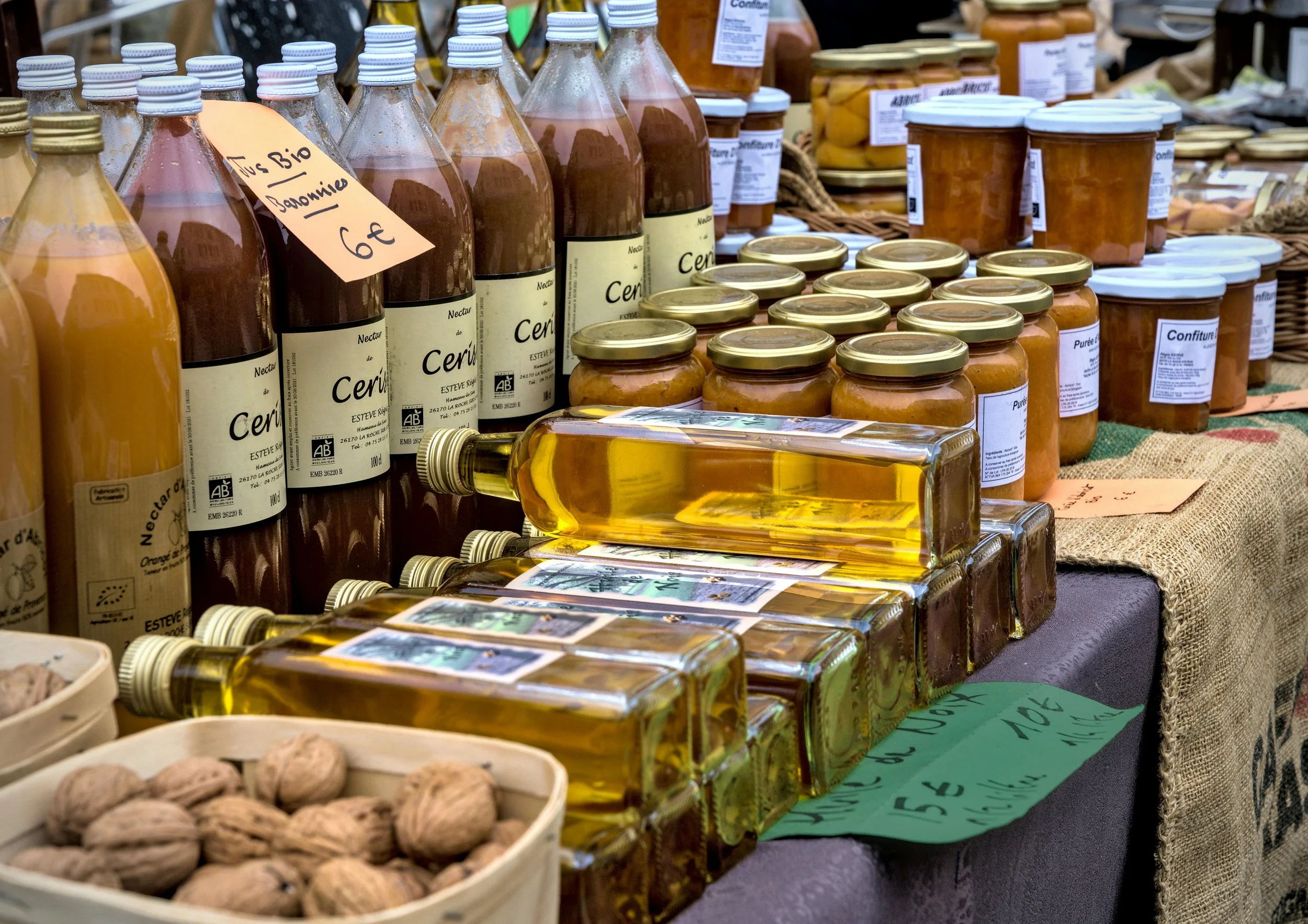
When the product is good, but the shelf space remains out of reach.
You have an excellent product. Perhaps an organic speciality from Italy, a sustainable olive oil from Spain, or an artisan cheese from Switzerland. Everything is going well in your home market. And now you want to take the next step: entering the German or Austrian food retail sector. REWE, Edeka, Spar, Billa, Hofer — the market is large, has strong purchasing power and, when it comes to organic products, is one of the most demanding in the world.
Then the first email comes back from the buyer: “Please send us your IFS certificate, the ESG documentation, the German-language packaging in accordance with the Food Information Regulation (LMIV), and your registration in the GS1 system.”
This is precisely where most market entries fail — not because of the product, but because of food compliance.
What is food compliance? A clear definition
Food compliance refers to adherence to all legal, regulatory and trade-specific requirements that a food product must meet in order to be sold in a particular market — both at the statutory level and at the level of the respective retailer.
Vereinfacht gesagt: Food Compliance ist die Summe aller Regeln, die du erfüllen musst, damit dein Produkt überhaupt eine Chance hat, in einem deutschen oder österreichischen Supermarktregal zu landen.
It broadly covers five areas:
Food law (EU regulations, national laws)
Certifications (organic, IFS, BRC, GlobalGAP, etc.)
Packaging and labelling (FDEU, allergens, nutrition tables, mandatory information)
Sustainability and ESG (carbon footprint, Supply Chain Act, EUDR)
Retailer-specific requirements (supplier questionnaires, audits, data portals)
Anyone wishing to enter the food retail sector must address all five areas. Not just one.

Why food compliance determines whether your product gets listed
Many producers underestimate just how radically the DACH retail sector differs from other markets. In Italy or Spain, a good product with an organic label opens many doors. In Germany and Austria, the organic label is merely the entryticket — but the real requirements only begin once you’ve got that.
Specifically: A German food retail buyer typically expects the following from a supplier:
a valid IFS Food or BRC certificate
a complete ESG documentation, including a carbon footprint assessment in accordance with Scope 1, 2 and 3
a product liability insurance
a GS1 registration for electronic data exchange
a packaging that is in German and compliant with the Food Information Regulation (LMIV)
for organic products, an additional EU organic certificate
demonstrable compliance with the EU Deforestation Regulation (EUDR) from the relevant cut-off dates
for Austria, often an additional EDI connection
And that is just the basics. Every retailer also has its own supplier questionnaire, its own packaging standards and its own logistics requirements.

The biggest pitfalls for producers from abroad
In our experience, we repeatedly see the same mistakes being made by producers who wish to enter the German or Austrian food retail market:
1. Not all organic certificates are the same. For a product to be sold as “organic” in Germany or Austria, the existing certificate must be equivalent to the EU organic certificate.
2. Packaging is underestimated. A simple translation is not enough. The Food Information Regulation (LMIV) stipulates exact font sizes, mandatory information and the order in which it must appear. A sticker on the original Italian packaging is often rejected by retailers.
3. Health claims are used incorrectly. “Boosts the immune system”, “good for digestion” — such statements are strictly regulated in the EU (Health Claims Regulation (EC) No 1924/2006). What sounds perfectly normal in one country is grounds for a warning in Germany and Austria.
4. ESG is addressed too late. Anyone unable to provide a carbon footprint stands little chance with major retailers today. This is no longer a “nice to have”.
5. Pitch and compliance are treated as separate issues. The best pitch is useless if the certificates are missing. The most perfect certificates are useless if the buyer does not understand the product in the pitch.
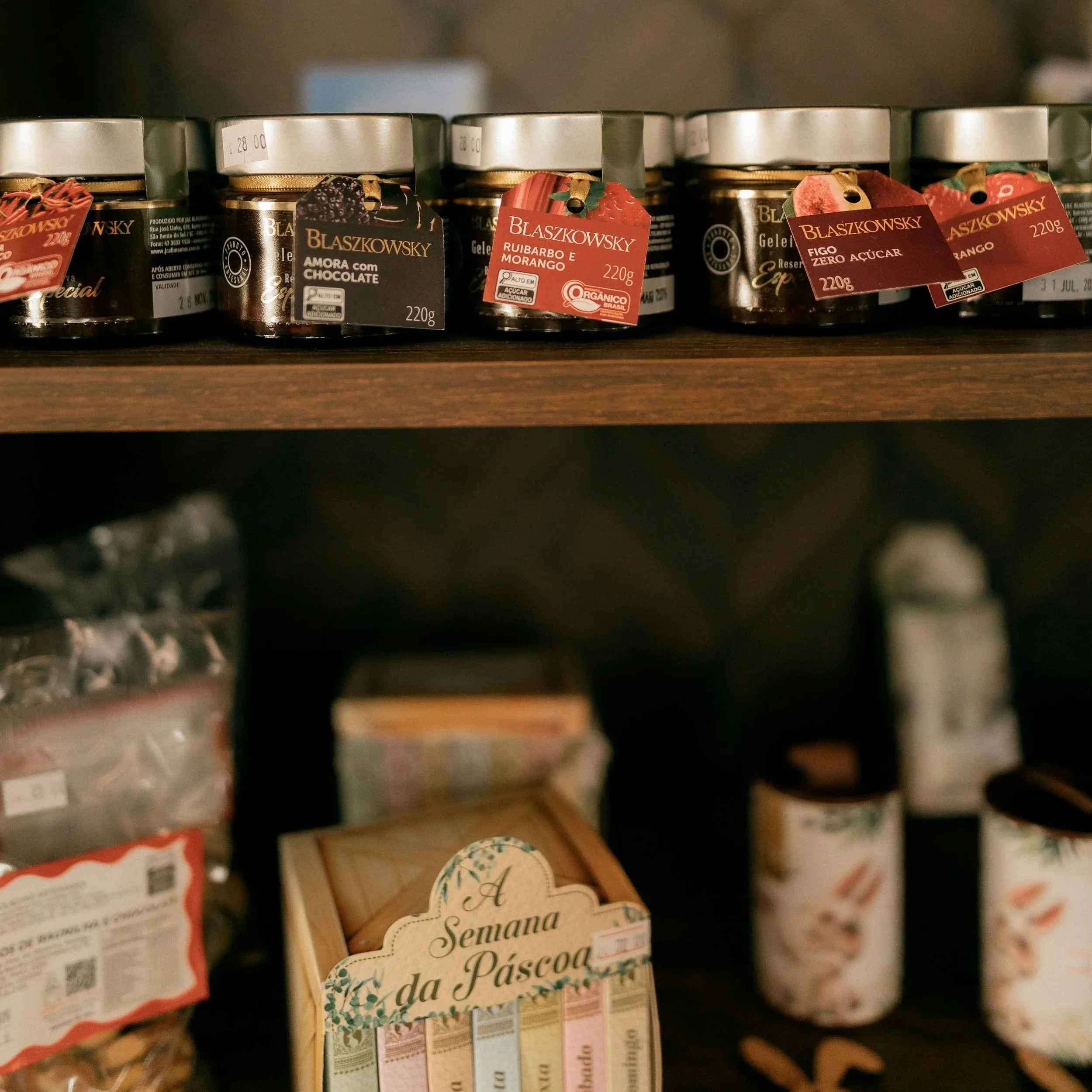
How do I get into the food retail sector? The structured approach
The question “How do I get into the food retail sector?” cannot be answered with a single measure. It involves a structured sequence of steps that must run in parallel — compliance and marketing — and which take between 6 and 12 months, depending on the starting point.
Realistically, the process is divided into three phases:
Phase 1 — Current situation analysis and roadmap. Before anything is implemented, an honest assessment is required: What does the target retailer require? What does the company currently have in place? Where are the gaps? Which certificates are missing, which documents are incomplete, and what packaging adjustments are needed? Only this gap analysis reveals whether market entry is even realistic — and what it will cost.´
Phase 2 — Building compliance and the pitch. Work here is carried out in parallel: packaging is made LMIV-compliant, certifications are prepared, and ESG documentation is compiled; at the same time, brand positioning is refined, the buyer’s pitch is developed, and visibility on LinkedIn and in the trade press is built up. This part takes the longest and determines success or failure.
Phase 3 — Listing meeting and ongoing support. The pitch to the buyer is not the end, but the beginning. After listing come annual audits, new retailer questionnaires and ESG updates. Anyone who fails to factor this in from the outset risks being delisted again soon.

How I will support you
ESG compliance is my area of expertise. We develop the documentation that retailers, auditors and B2B clients require today — from setting up ESG documentation (code of conduct, carbon footprint, supplier questionnaires, KPIs) through EcoVadis support and advice on the EUDR and Supply Chain Act, right up to acting as an external sustainability officer for companies that do not wish to establish their own role. These services can be booked individually or as a package — depending on what you need.
ESG is not just one compliance item among many. Today, it is often the first factor determining whether market entry succeeds — or fails.
If ESG is part of a bigger goal for you
Namely, getting your product listed in German or Austrian retail outlets — then my Retail-Ready Check is the perfect place to start. Here, ESG is planned alongside certification, packaging, your sales pitch and brand positioning in an integrated roadmap, so that you don’t get tripped up by a single requirement, but can take a structured approach all the way to the shop shelf. To achieve this, I work with a marketing expert who knows exactly how to position your product optimally to ensure it’s ready for retail listing. We speak German, English, Italian and Spanish — and we know both sides: that of the auditor and that of the brand strategist.
“A product that meets all standards but fails to convince anyone won’t make it onto the shelf. A product that convinces but doesn’t meet the standards won’t make it onto the shelf either.”
Over 2 to 3 weeks, we’ll work with you to analyse:
which retailer really suits your brand
which certifications, documents and registrations you need
where your packaging, your pitch and your online presence need refining
what a realistic roadmap for listing looks like — with time and cost estimates
The result: an integrated roadmap document that brings compliance and marketing together, a comprehensive list of gaps, and an honest assessment of whether market entry is realistic for you.
Anyone wishing to move on to implementation can seamlessly switch to our Retail-Ready Launch Package — offering more in-depth support right through to listing.
