

What ESG Compliance Really Means for Your Business: A Practical Guide for SMEs
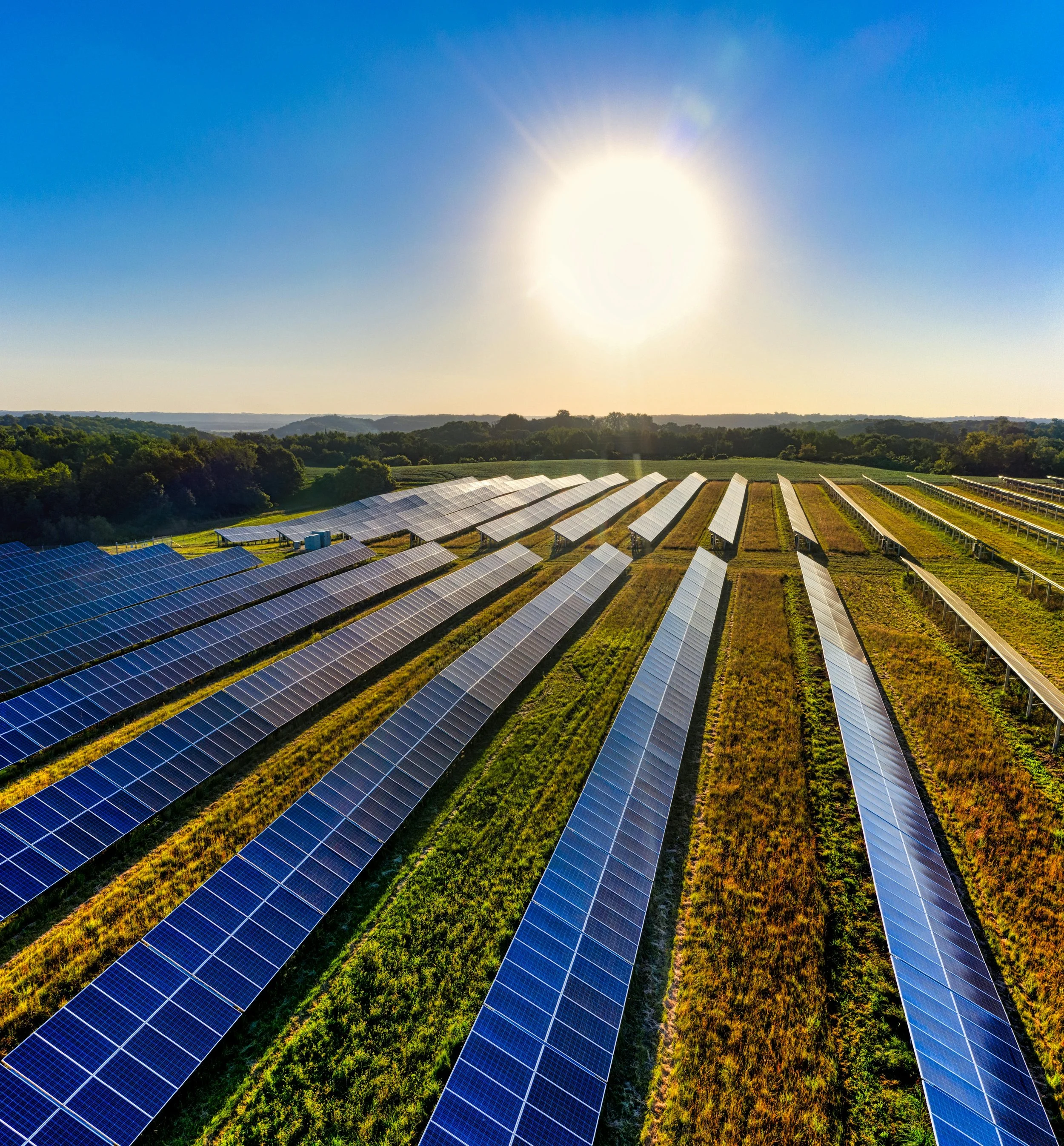
When sustainability stops being a brochure and becomes a business requirement
A few years ago, sustainability was something you put on the "About Us" page. Today, it's the first thing your largest customer asks for, the first hurdle in a procurement questionnaire, and increasingly, the first reason a deal falls through.
Welcome to the new reality of ESG compliance.
ESG stands for Environmental, Social, and Governance — three dimensions along which companies are increasingly measured, regulated, and held accountable. What started as voluntary reporting for listed companies has become a cascade: large corporations pass requirements down to mid-sized suppliers, who pass them down to small ones. If you're a small or mid-sized business selling into the EU market, you're now part of that chain, whether you planned for it or not.
This guide walks you through what ESG compliance actually means in practice, which regulations matter most, what your customers will likely ask for, and how to build a system that scales with your business — not against it.
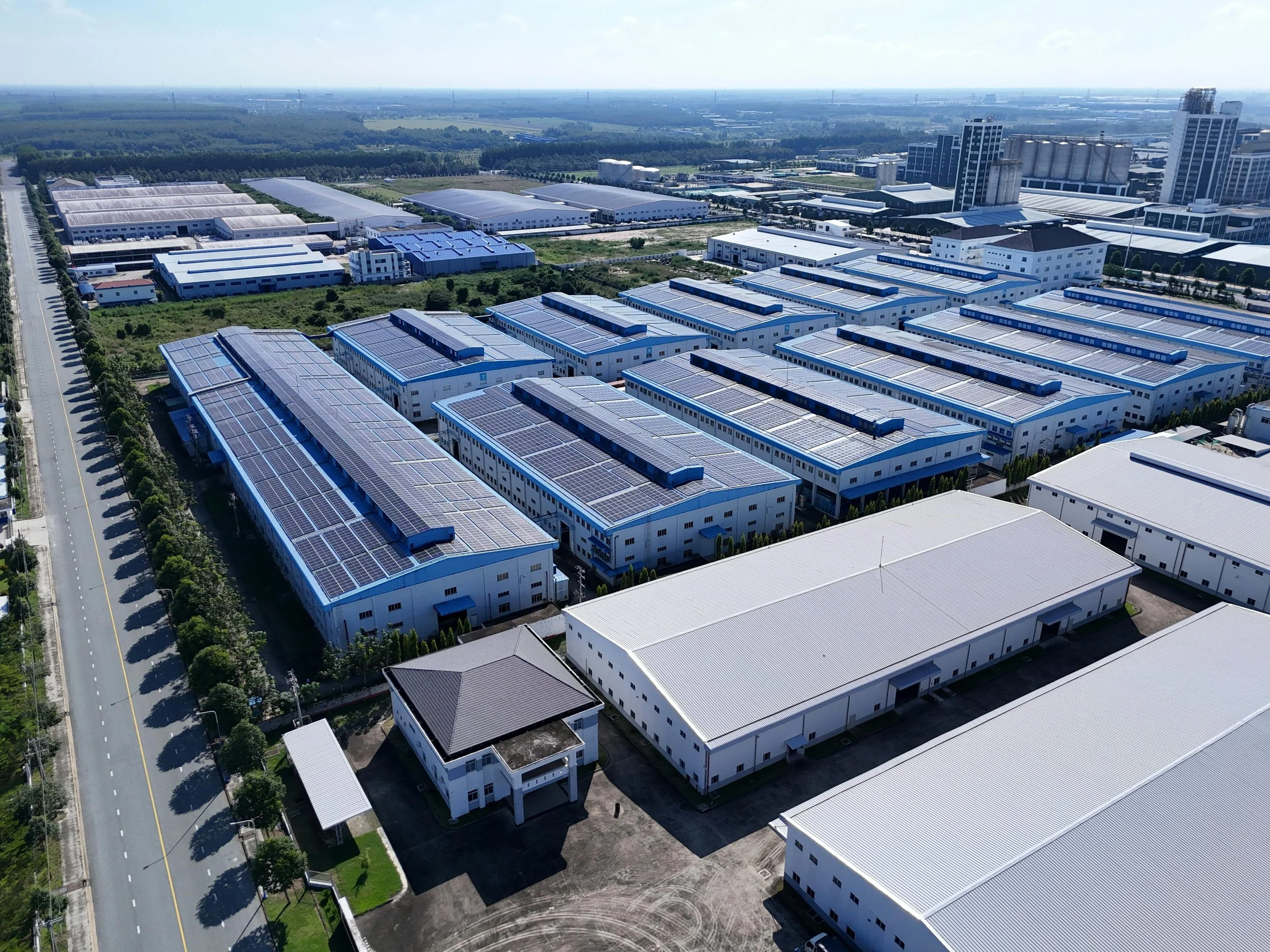
What ESG compliance actually means
At its core, ESG compliance is the systematic management and documentation of your company's environmental, social, and governance practices in line with legal regulations, customer requirements, and recognised standards.
It's not a single certification. It's not a one-off report. It's an ongoing system that covers three dimensions:
Environmental (E) — How does your business affect the environment? This includes greenhouse gas emissions, energy and water consumption, waste, packaging, biodiversity impact, and increasingly, supply chain emissions.
Social (S) — How do you treat people? Working conditions in your own operations and across your supply chain, human rights, health and safety, fair wages, diversity, and community impact.
Governance (G) — How do you run your business? Anti-corruption policies, transparency, decision-making structures, risk management, data protection, and accountability for ESG itself.
The common thread: it's no longer enough to do the right thing. You have to prove it, document it, and report it — to regulators, customers, and increasingly to your own banks and insurers.
Why ESG compliance moved from "nice to have" to "non-negotiable"
Three regulatory developments (which are part of the European Green Deal) have reshaped the European business landscape in the past few years and pushed ESG to the top of every executive agenda:
1. The Corporate Sustainability Reporting Directive (CSRD) The CSRD requires large EU companies to publish detailed sustainability reports following the European Sustainability Reporting Standards (ESRS). The catch: those large companies need data from their suppliers — which means even small businesses that supply listed corporations are pulled into the reporting chain.
2. The Corporate Sustainability Due Diligence Directive (CSDDD) and national supply chain laws The EU-wide CSDDD and national laws like Germany's Lieferkettensorgfaltspflichtengesetz (LkSG) require companies to identify, prevent, and address human rights and environmental risks across their entire supply chain. Again: the obligation cascades downward. Your customer's compliance becomes your problem.
3. The EU Deforestation Regulation (EUDR) Starting 30 December 2026 for large and medium-sized companies (30 June 2027 for micro and small enterprises), the EUDR bans the sale of products in the EU market that are linked to deforestation. It affects seven commodities — cattle, cocoa, coffee, palm oil, soy, wood, and rubber — and every product derived from them.
Together, these regulations create what some call "the great ESG cascade": large companies are legally required to know what's happening across their supply chain, so they push requirements to every supplier, who pushes them to every subcontractor. No business is too small to be affected, even if it's not directly regulated yet.

What your customers will actually ask for
Beyond legal requirements, your B2B customers — especially large retailers, industrial buyers, and procurement departments — have their own ESG expectations. Across industries, the same documents appear in supplier questionnaires:
Environmental:
A carbon footprint covering Scope 1 (direct emissions), Scope 2 (purchased energy), and increasingly Scope 3 (upstream and downstream value chain)
A sustainability policy with measurable targets and KPIs
Documentation of energy, water, and waste management
A packaging and circularity strategy
Proof of EUDR conformity where applicable
Social:
A Code of Conduct for employees and suppliers
A supplier questionnaire completed by your own upstream suppliers
Evidence of fair labour practices, often via SMETA, SA8000, or similar audits
A grievance mechanism for employees and supply chain workers
Governance:
Clearly assigned ESG responsibilities (who in the company owns this?)
A supply chain risk analysis
An action plan with concrete steps and timelines
Regular reviews, updates, and reporting structures
Increasingly, customers also ask for a third-party rating like EcoVadis, which scores your overall sustainability performance and is widely used in B2B procurement.

The most common mistakes companies make
From my work with SMEs across food, manufacturing, and consumer goods, I see the same patterns repeating:
1. Treating ESG as a one-time project. A glossy PDF report won't get you through your next audit. Customers and regulators want to see that ESG is lived in the company — with current data, regular updates, and traceable actions.
2. Starting too late. A credible Scope 3 carbon footprint requires data from your entire supply chain. Collecting it takes months. Many companies wake up when a major customer demands documentation in 30 days — and discover it's not technically possible to deliver it in that timeframe.
3. Ignoring the supply chain dimension. Scope 3 emissions, supply chain due diligence, and EUDR all share one truth: your data is only as good as your suppliers' data. Companies that don't engage their suppliers early end up with gaps that audits will find.
4. Confusing reporting with compliance. Reporting on sustainability and being compliant are two different things. You can publish a beautiful report and still fail an audit because the underlying processes aren't documented.
5. Underestimating governance. Many SMEs put effort into the E and S, but neglect the G. Yet auditors and customers increasingly look at how ESG is managed — who's responsible, how decisions are documented, how risks are reviewed. Without governance, the rest doesn't hold up.

How to build ESG compliance without overwhelming your business
You don't have to do everything at once. A structured approach works far better than trying to solve everything in parallel:
Step 1 — Assess your starting point. Map which regulations apply to you, what your largest customers already ask for, and what you already have in place. This gap analysis is the foundation for everything else.
Step 2 — Build the baseline documentation. Code of Conduct, sustainability policy, supplier questionnaire, basic risk analysis. These documents are the minimum that every customer questionnaire will request.
Step 3 — Get your numbers. Start with Scope 1 and 2 emissions — they're under your direct control and relatively quick to calculate. Add Scope 3 in a structured second phase.
Step 4 — Engage your suppliers. Send out your supplier questionnaire, request documentation, build a basic risk overview. This is where most SMEs underestimate the time investment.
Step 5 — Set up governance. Assign clear responsibility for ESG. If you don't have internal capacity, consider working with an external sustainability officer.
Step 6 — Plan for ongoing operation. ESG compliance is not a one-time effort. Plan for annual updates, audits, customer questionnaires, and regulatory changes.

How I can support you
I work with small and mid-sized businesses across industries that need to build or strengthen their ESG compliance — without building large internal teams. My focus is practical, structured, and audit-ready documentation, not corporate-style reports that look good but don't hold up.
Concretely, I offer:
ESG documentation setup — Building the complete documentation that customers, auditors, and regulators require today: Code of Conduct, sustainability policy, supplier questionnaire, carbon footprint (Scope 1, 2, 3), risk analysis, action plan, KPI overview.
EcoVadis support — Guiding you through the EcoVadis assessment from the first questionnaire to the final scoring, including evidence preparation and targeted improvement of your rating.
External sustainability officer — Taking on the ESG responsibility role on an ongoing basis: continuously available, integrated into audits, with clear reporting to your management.
EUDR and Supply Chain Act consulting — Assessing whether your raw materials and suppliers fall under the EU Deforestation Regulation, building the required due diligence processes, and supporting implementation of the German LkSG and the EU-wide CSDDD.
These services can be booked individually or as a package, depending on your situation.
ESG compliance is not about producing the perfect report. It's about building a system that holds up — for your customers, your auditors, and your own peace of mind.
